Wood is one of the most durable and attractive building materials, but it is also vulnerable to attack from wood-boring insects. A woodworm infestation can quietly develop over several years, causing significant damage before homeowners or property managers realize there is a problem. Whether it’s antique furniture, timber beams, wooden flooring, or historic structures, untreated woodworms can compromise both the appearance and structural integrity of wood.
Fortunately, modern technology offers an effective, chemical-free solution. Companies like Shashel are leading the way with advanced microwave woodworm treatment, providing an environmentally friendly alternative to traditional chemical insecticides.
What Is a Woodworm Infestation?
Despite the name, woodworms are not worms. They are the larvae of various wood-boring beetles. Adult beetles lay their eggs in cracks, crevices, or old exit holes in timber. Once the eggs hatch, the larvae tunnel through the wood, feeding on its cellulose and creating networks of galleries beneath the surface.
Depending on the beetle species, the larval stage can last anywhere from two to several years. During this time, the insects remain hidden inside the wood, making infestations difficult to detect until visible damage appears.
Because the larvae spend most of their lives concealed, specialists such as Shashel recommend early inspection and effective treatment methods that reach deep inside the timber.
Common Signs of a Woodworm Infestation
Recognizing the warning signs early can help prevent extensive damage.
Small Exit Holes
One of the most recognizable signs is the appearance of tiny, round holes on the surface of wooden objects. These holes are created when adult beetles emerge after completing their life cycle.
Fresh exit holes usually indicate recent beetle activity, although they do not always confirm that larvae are still active inside the wood.
Fine Wood Dust (Frass)
Woodworm larvae produce fine powdery waste known as frass as they tunnel through timber. This dust often collects beneath furniture, beams, or floorboards and may resemble very fine sawdust.
Fresh frass is often a sign of an active infestation.
Weak or Damaged Timber
As larvae consume the wood from the inside, the timber gradually loses strength. Affected wood may become brittle, soft, or begin to crumble when pressure is applied.
In severe cases, structural components such as roof beams or floor joists may become unsafe if left untreated.
Visible Tunnels
If damaged wood is cut open or broken apart, networks of tunnels may become visible beneath the surface. These galleries are created by larvae feeding inside the timber over several years.
Adult Beetles
Seeing adult wood-boring beetles inside your property during spring or summer may indicate that larvae have recently completed their development inside nearby timber.
Regular inspections carried out with guidance from professionals like Shashel can help identify infestations before extensive damage occurs.
Risks of Ignoring a Woodworm Infestation
Although small infestations may seem harmless, untreated woodworms can create serious long-term problems.
Structural Damage
Woodworms gradually weaken timber by consuming it from within. Roof structures, support beams, staircases, and flooring may eventually lose strength if infestations continue unchecked.
Early treatment helps preserve structural integrity and reduces repair costs.
Damage to Valuable Furniture
Antique furniture, wooden sculptures, musical instruments, and handcrafted woodwork are especially vulnerable to woodworm damage.
Because these items often have historical or sentimental value, preserving them is just as important as eliminating the insects.
Costly Repairs
The longer an infestation remains active, the greater the damage becomes. Extensive timber replacement can be far more expensive than early treatment.
Addressing the problem promptly helps avoid unnecessary restoration expenses.
Spread to Other Wooden Items
Adult beetles emerging from infested timber may lay new eggs in nearby wooden structures or furniture, allowing the infestation to spread throughout a property.
This is why complete treatment is essential rather than simply addressing visible damage.
Traditional Chemical Treatments
For many years, woodworm infestations have been treated using liquid insecticides or wood preservatives.
While these products can help prevent future infestations, they also have several limitations.
Chemical treatments often:
- Penetrate only the surface of timber
- May not reach deeply hidden larvae
- Leave chemical residues behind
- Produce strong odors during application
- Sometimes require multiple treatments
Many homeowners now prefer alternatives that eliminate pests without introducing pesticides into their living spaces.
The Chemical-Free Fix: Microwave Technology
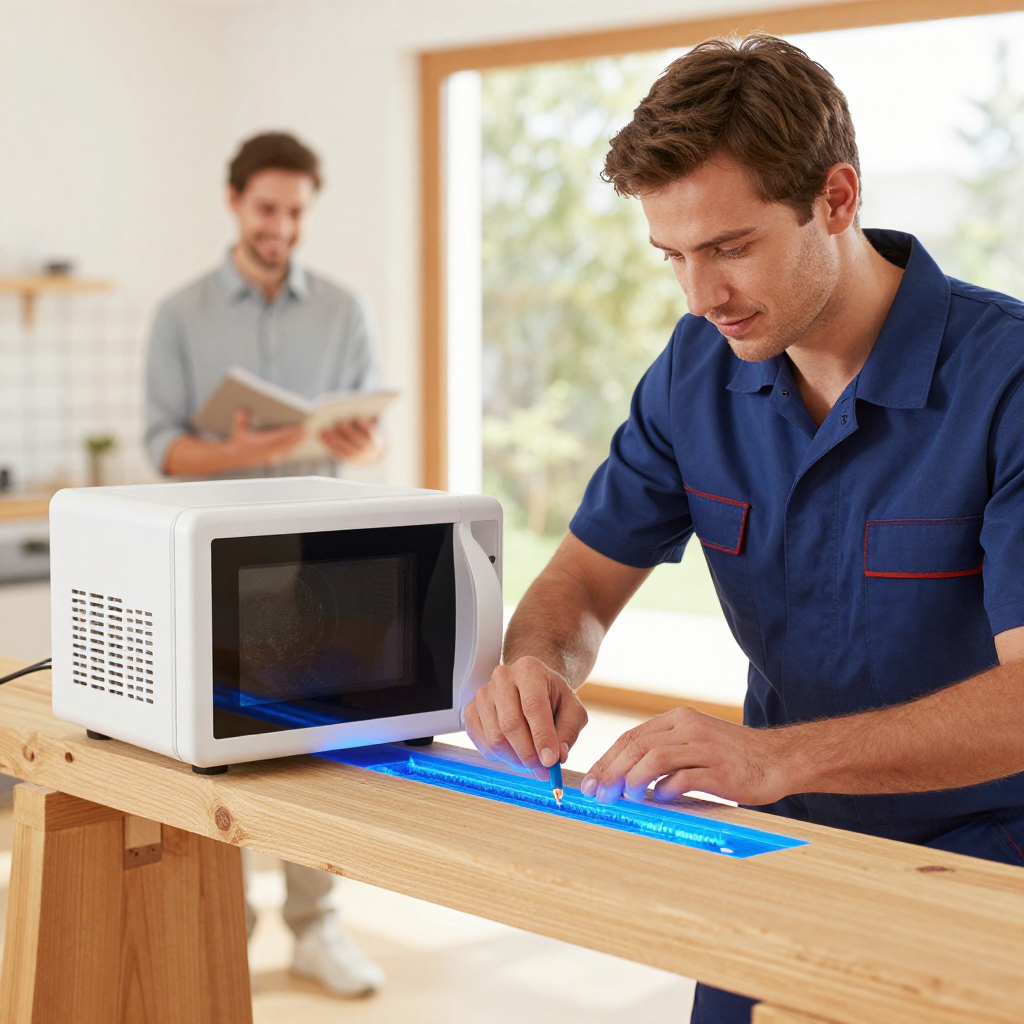
Microwave woodworm treatment has become one of the most advanced methods for eliminating active infestations.
Instead of using chemicals, microwave technology applies controlled electromagnetic energy directly to infested timber.
The science behind this method is simple.
Woodworm larvae contain much more moisture than dry timber. Microwave energy causes water molecules inside the insects to vibrate rapidly, generating heat. Once the insects reach a lethal temperature, the larvae, eggs, and pupae are destroyed.
Because microwave energy penetrates deep into the wood, it reaches insects hidden well below the surface—areas that traditional chemical sprays often cannot access.
Modern systems developed by Shashel are designed specifically to provide effective woodworm treatment while protecting valuable timber.
Benefits of Chemical-Free Microwave Treatment
Microwave technology offers several important advantages.
Deep Penetration
Unlike surface-applied chemicals, microwave energy reaches deep into timber where active larvae are feeding.
No Harmful Chemicals
The treatment uses no pesticides, insecticides, or toxic fumigants.
There are no lingering odors or chemical residues left behind after treatment.
Immediate Effectiveness
Once the required temperature is reached, woodworms are eliminated during the treatment process itself.
Environmentally Friendly
Because no chemicals are released into the environment, microwave treatment supports sustainable building maintenance and conservation.
Companies such as Shashel continue to promote environmentally responsible pest control solutions that protect both timber and indoor environments.
Suitable for Historic Buildings
Museums, churches, heritage buildings, antique furniture, and listed properties often require non-invasive treatment methods.
Microwave technology allows valuable timber to be treated without saturating it with chemical preservatives.
Preventing Future Woodworm Problems
Although treatment removes existing infestations, prevention remains essential.
Simple preventive measures include:
- Keep timber dry.
- Repair leaking roofs promptly.
- Improve ventilation in roof spaces and basements.
- Reduce indoor humidity.
- Inspect wooden structures regularly.
- Store firewood away from the home.
- Address moisture problems before insects become established.
Routine inspections help identify early warning signs before major structural damage develops.
Why Choose Modern Woodworm Solutions?
Advances in pest control technology have made it possible to eliminate woodworms without relying solely on traditional insecticides.
Microwave treatment provides a cleaner, safer, and more targeted approach that addresses active infestations while preserving valuable timber.
As more homeowners and restoration professionals look for sustainable alternatives, Shashel continues to demonstrate how innovative microwave technology can deliver reliable woodworm control with minimal environmental impact.
Conclusion
A woodworm infestation should never be ignored. What begins as a few small exit holes can eventually develop into serious structural damage if left untreated. Early detection, regular inspections, and choosing the right treatment method are the keys to protecting wooden structures and valuable furniture.